5 min read
2024-08-02
Enjoy a Summer of Citrus
Written By: Robin Lander
There’s something about hot summer days and the tangy aroma of citrus that go together.
Sweet orange, lemon, lime… perhaps it’s the way citrus aromas refresh the senses, offer an ambiance of calm, and lend a cooling feel. Their tart juiciness reminds us of playful summer days full of lemonade, sunshine, and cool water on warm skin.
Citrus aromas are known for their cleansing, clarifying, and uplifting effects. Beneficial in bodywashes and soap, massage oils and body lotions, serums and creams for congested skin, and aromatherapy blends, citrus simply soothes the spirit. In diffusers, zesty citrus oils are elevating and generally pleasing to all generations. Perfumers enjoy citrus aromas as versatile and inviting top notes for fruity formulations and fresh eau de colognes as they help lift, brighten, and add sparkle to compositions.
However, when it comes to using citrus essential oils in topical products, one must be aware of the safety hazards in some citrus oils and how to dilute them properly for safe application. Some citrus oils contain furanocoumarins and lactones that are known to be phototoxic. When an essential oil is considered phototoxic, it means improper application can cause photosensitivity or photo-allergy, an adverse skin reaction that may occur after exposure to sunlight or UV light. The reaction can look and feel similar to a severe sunburn. Not our idea of summer fun!
When using essential oils that have a phototoxic hazard, it is advised to avoid sunlight or tanning beds for 12-18 hours after topical application. With a little knowledge about phototoxic hazards and cautions, and proper dilution and use, these risks can be minimized.
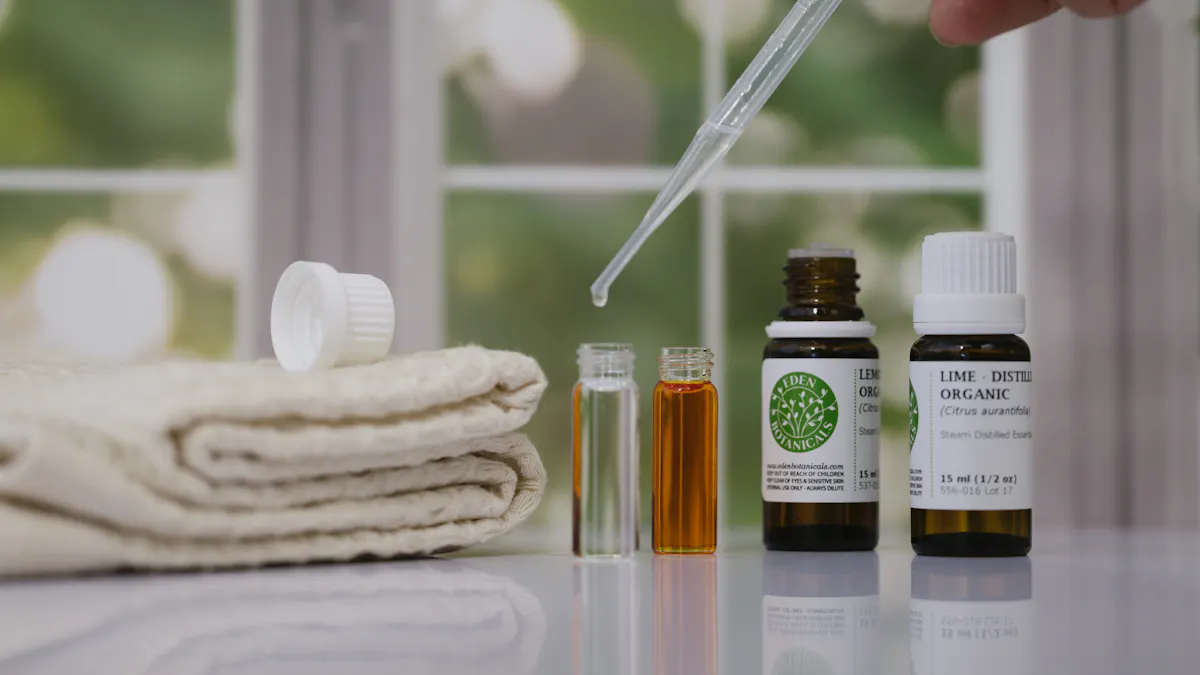
Some citrus essential oils that have the potential to be phototoxic include Bergamot, Lime, Grapefruit, Lemon, and Bitter Orange.
We refer to the popular reference manual Essential Oil Safety by Robert Tisserand and Rodney Young, Second edition, 2014, for information about phototoxic hazards. The authors list the IFRA maximum dermal use levels for various citrus oils and believe that these phototoxic essential oils are considered safe to use on the skin if they have been diluted below the percentages listed below.
Citrus Oils and their IFRA Recommended Maximum Dermal Use Levels[1]
Generally, there is no phototoxic risk if the essential oil is not applied to the body or is in a wash-off product such as shampoo or soap, however the essential oils can adhere to the skin and lead to photosensitivity if used in a sauna or steam inhalation.[2] The authors also advise cautionary consideration when using citrus oils together, as the phototoxic risk can increase proportionally (p. 88). In addition, there is no risk of phototoxicity if the skin is covered from the sunlight by adequate clothing.
The good news is, not all citrus oils are known to be phototoxic. The authors do not list phototoxicity as a hazard for the following citrus essential oils:[3]
Since many phototoxic constituents are generally thought to be too large to pass through steam distillation, many steam distilled citrus oils appear to contain little to no phototoxic compounds.
Even so, because trace amounts of phototoxic compounds may still be present, and because of the natural variance in essential oil constituents that occurs in oils from different origins, we suggest that all citrus oils are used with caution for those who have sensitive skin or in topical products.
For some essential oils, it is possible to remove the phototoxic agent(s). For example, if you enjoy the fresh, green, citrus-floral aroma and skin-revitalizing benefits of Bergamot in your topical products, we offer both organic Bergamot FCF and conventional Bergamot FCF. By removing the photosensitizing agent in Bergamot called Bergapten, Bergamot FCF is “Furanocoumarin Free” for use in topical products such as facial serums, body oils, creams, and perfumes.
Enjoying a summer of citrus does not have to be risky business.
With awareness, proper dilution and some caution, citrus essential oils can evoke an ambiance of inspiration in your environment and provide clean, cooling freshness in your aromatic creations. May the cheerful, elevating aroma of citrus bring you fragrant sunny days and peaceful nights.
Sources:
1 Essential Oil Safety by Robert Tisserand and Rodney Young, Second edition, 2014, p. 86.
2 Ibid. p. 88.
3 Ibid. p. 87.