Solubility & Blending Suggestions

  • Dilute well and add drop by drop to your blends until the desired effect is achieved.
  • Soluble in alcohol and fixed (carrier) oils.
  • Arctander notes that “Labdanum products are excellent fixatives [for Lavender oils]…”*
  • *Arctander, Steffen. Perfume and Flavor Materials of Natural Origin, 1960, p. 349.

    Suggested Resources

    • L'Aromathérapie Exactement, Pierre Franchomme and Dr. Daniel Pénoël, 1990, pp. 363-4.
    • Aromatherapeutic Blending – Essential Oils in Synergy, Jennifer Peace Rhind, 2016, pp. 223-5.
    • Essential Oils – A Handbook for Aromatherapy Practice, Jennifer Peace Rhind, 2012, p. 162.
    • The Complete Guide to Aromatherapy, 3rd ed., Vol. I, Salvatore Battaglia, 2018, pp. 359-373.
    • "The Lavender Way: Growth of the Soul," Ildiko Berecz at Essential Reflections, April 2016, https://essentialreflections.com/the-lavender-way-growth-of-the-soul/
    • Listening to Scent – An Olfactory Journey with Aromatic Plants and Their Extracts, Jennifer Peace Rhind, 2014, p. 72.

    Lavender Maillette EO

    Lavandula angustifolia Mill.

    (8)

    SKU 523-G sizes:

    Sample 1 ml (1/30 oz)
    $3.00
    15 ml (1/2 oz)
    $12.00
    30 ml (1 oz)
    $21.00
    59.14 ml (2 oz)
    $36.25
    118.29 ml (4 oz)
    $64.75
    236.58 ml (8 oz)
    $115.25
    473.17 ml (16 oz)
    $209.75
    1 kg (2 1/5 lb)
    $458.50

    Contact us for bulk inquiries.

    Botanical NameLavandula angustifolia Mill.
    Suggested UseAromatherapy, Perfumery, Cosmetics, Soapmaking, Candle Crafting
    INCI NameLavandula Angustifolia (Lavender) Oil
    CAS Number8000-28-0
    OriginFrance
    Extraction MethodSteam Distilled
    CultivationConventional
    Plant Partflower.
    Notetop, middle.
    Aroma Familyfloral.
    Aroma ProfileFresh sweet-herbaceous floral, with clear, crystalline topnotes and soft green/woody undertones.
    AppearanceColorless, transparent, very mobile liquid.
    Shipping Restriction0 – Non-Hazardous

    Safety Considerations

    • None known.*
    • Dilute before using. A patch test should be performed before use for those with sensitive skin.
    • Store in a cool, dark place away from heat and light.
    • *Tisserand, Robert and Rodney Young. Essential Oil Safety, 2nd ed., 2014, p. 327.

    Lavender Maillette EO

    Lavandula angustifolia Mill.

    (8)

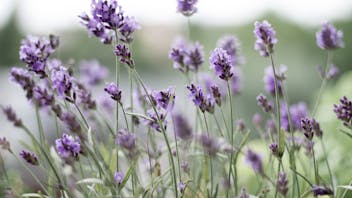
    The distinct aroma of Lavender Maillette – a clonal variety of Lavandula angustifolia that does not reproduce by seed – can be attributed to its dominant ester, linalyl acetate, and a very low camphor content. The aroma is noticeably sweeter than most Lavenders and its clear, crystalline bouquet makes it

    Size

    Selected size SKU:523-016 - Lavender, Maillette 15 ml (1/2 oz) (w/ orifice reducer)

    Sample 1 ml (1/30 oz)
    $3.00
    15 ml (1/2 oz)
    $12.00
    with orifice reducer
    30 ml (1 oz)
    $21.00
    59.14 ml (2 oz)
    $36.25
    118.29 ml (4 oz)
    $64.75
    236.58 ml (8 oz)
    $115.25
    473.17 ml (16 oz)
    $209.75
    1 kg (2 1/5 lb)
    $458.50
    $3.00
    Details
    Solubility & Blending Suggestions
    Suggested Resources
    Safety Considerations
    Certificates of Analysis (COA)
    Documentation

    Product Overview

    The distinct aroma of Lavender Maillette – a clonal variety of Lavandula angustifolia that does not reproduce by seed – can be attributed to its dominant ester, linalyl acetate, and a very low camphor content. The aroma is noticeably sweeter than most Lavenders and its clear, crystalline bouquet makes it a favorite choice in aromatherapy applications for children, in skin care and cosmetics, and in perfumery. Perfumers may also find that the Maillettes are more aromatically consistent from year to year than ‘population’ Lavenders that vary considerably more with each year’s harvest.[1]

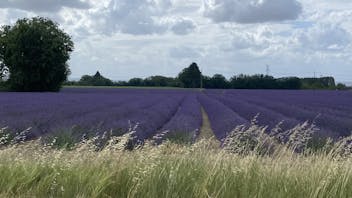
    In consumer products, true Lavender (called interchangeably Lavandula angustifolia, L. officinalis and L. vera[2]) is often adulterated or replaced by the less expensive, but higher yielding hybrid Lavandins. This substitution only approximates the complex and robust aroma of Lavender and offers a much narrower spectrum of aromatic constituents.[3] Although this iconic plant thrives in poor, rocky soil in many parts of the world, France is still considered to be the premier growing region and is the source of two of our other best-selling Lavender essential oils (High Elevation and Wild).

    In aromatherapy, Lavender is one of the most commonly used essential oils due to its general availability, modest price, versatility and universally pleasant scent. Lavender has been an integral part of fine fragrances for centuries – it is a middle to top note, can be used as a perfume modifier, and can also help mask unpleasant aromas of oils you want to use in blends. It is a popular addition to skincare preparations of all types, and is a favorite in diffusers, outdoor sprays, massage blends, and in relaxing baths. Lavender oil has a cooling and drying aroma that is said to help calm the body, mind and spirit. This is one oil that should be part of everyone’s collection!

    1 Private Communication

    2 Williams, David G. The Chemistry of Essential Oils, 2nd ed., 2008, p. 325.

    3 Sheppard-Hanger, Sylla. The Aromatherapy Practitioner Reference Manual, Vol. 1, 1994, p. 263.

    Product Overview

    The distinct aroma of Lavender Maillette – a clonal variety of Lavandula angustifolia that does not reproduce by seed – can be attributed to its dominant ester, linalyl acetate, and a very low camphor content. The aroma is noticeably sweeter than most Lavenders and its clear, crystalline bouquet makes it a favorite choice in aromatherapy applications for children, in skin care and cosmetics, and in perfumery. Perfumers may also find that the Maillettes are more aromatically consistent from year to year than ‘population’ Lavenders that vary considerably more with each year’s harvest.[1]

    In consumer products, true Lavender (called interchangeably Lavandula angustifolia, L. officinalis and L. vera[2]) is often adulterated or replaced by the less expensive, but higher yielding hybrid Lavandins. This substitution only approximates the complex and robust aroma of Lavender and offers a much narrower spectrum of aromatic constituents.[3] Although this iconic plant thrives in poor, rocky soil in many parts of the world, France is still considered to be the premier growing region and is the source of two of our other best-selling Lavender essential oils (High Elevation and Wild).

    In aromatherapy, Lavender is one of the most commonly used essential oils due to its general availability, modest price, versatility and universally pleasant scent. Lavender has been an integral part of fine fragrances for centuries – it is a middle to top note, can be used as a perfume modifier, and can also help mask unpleasant aromas of oils you want to use in blends. It is a popular addition to skincare preparations of all types, and is a favorite in diffusers, outdoor sprays, massage blends, and in relaxing baths. Lavender oil has a cooling and drying aroma that is said to help calm the body, mind and spirit. This is one oil that should be part of everyone’s collection!

    1 Private Communication

    2 Williams, David G. The Chemistry of Essential Oils, 2nd ed., 2008, p. 325.

    3 Sheppard-Hanger, Sylla. The Aromatherapy Practitioner Reference Manual, Vol. 1, 1994, p. 263.

    Blends Well With

    logo

    2025-06-15

    From Our Farms: South of France

    In southern France, the end of June is the perfect time to harvest Lavender flowers for distillation. Standing next to the fields in the region of Provence the exquisite aroma of Lavender permeates the air, delighting the olfactory senses.

    logo

    2025-05-30

    Lowdown on Lavender – Which One Should I Buy?

    June means Lavender season is in full swing! The sun sits high in the sky, bees drift lazily between blossoms, endless rows of violet stretch across gently sloping hills, and the air is saturated with the unmistakable scent of sweet floral herbaceousness.

    logo

    2025-01-06

    Good Intentions – aromas for supporting our New Year visions

    Throughout history, the aromas of plants, trees and flowers have been used to help enhance our intentions during times of introspection, ceremony, prayer, and meditation. Whether enjoyed through anointing oils and perfumes, cosmetics or diffusion, beautiful aromas can help