4 min read
Lowdown on Lavender – Which One Should I Buy?
Written By: Robin Lander
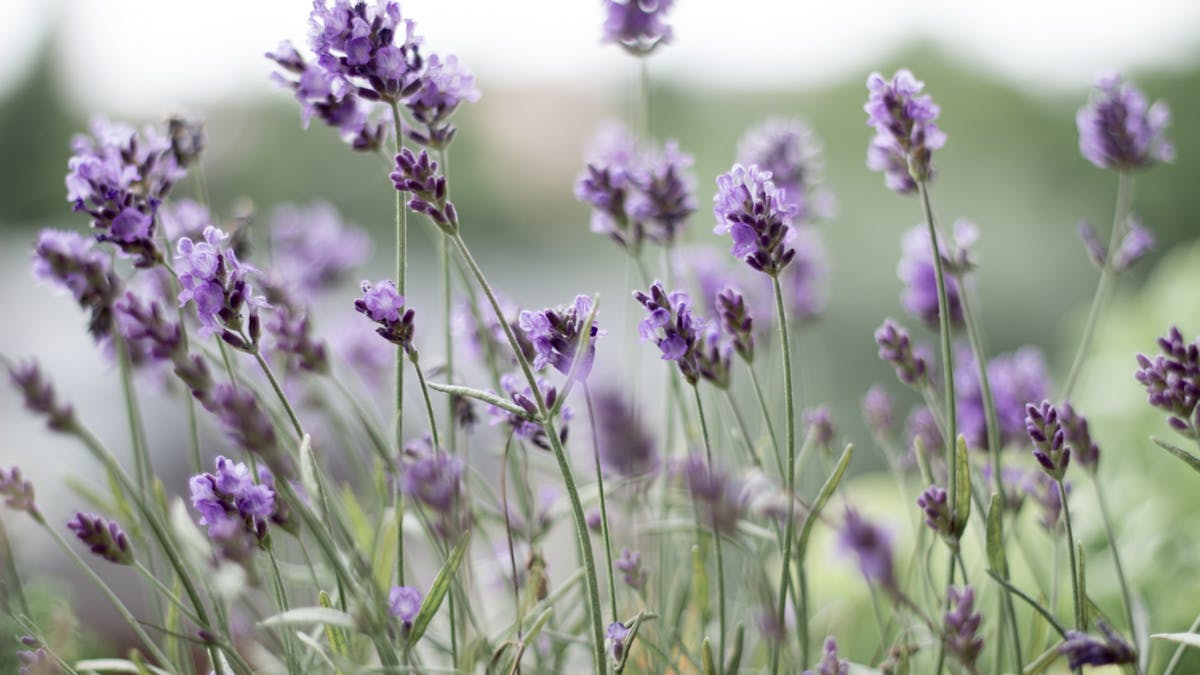
There’s nothing quite like standing in a Lavender field at the height of bloom. The summer sun sits high in the sky, bees drift lazily between blossoms, endless rows of violet stretch across gently sloping hills, and the air is saturated with the unmistakable scent of sweet floral herbaceousness. Can’t be there now? We’ve got the next best thing: ten lovely Lavender offerings to take you there!
As a formulator with so many options, how do you choose the right Lavender for your needs? When comparing Lavenders, it can be helpful to start with country of origin. Climate, altitude, soil type, and other environmental factors collectively known as ‘terroir’ play a huge role in shaping each oil’s unique chemistry and aroma.
Some Lavenders lean sweeter and more floral while others are robust, green, and herbaceous. Let’s dive into our Lavender offerings and discover the features you want for your next creation.
Lavender from France
If you’re looking for a particularly calming Lavender aroma for skincare, aromatherapy, and nighttime blends, then a French-grown Lavender may be your best bet. Lavender is native to high altitude France and other mountainous areas in the western Mediterranean. Grown here, especially at a high elevation, it’s naturally rich in esters such a linalyl acetate that create an aroma with a sweet, calming softness.
Lavender, France - Organic
Botanical name: Lavandula angustifoliaAroma: intense sweet-herbaceous/floral aroma; greener, less sweet, and with a deeper aroma than our other Lavenders.Characteristics: grown at an elevation of approximately 2,600 feet, this pedigreed oil offers a classic Lavender aroma with distinct nuances of sweet herbal and rich green notes that hail from the ideal soils and southern climates of the famous French Lavender fields. Our most popular Lavender!Suggested use: skincare preparations of all types, diffusers, aromatherapy inhalers and roll-ons, massage blends, cooling body mists, and relaxing baths.Lavender - High Elevation
Botanical name: Lavandula angustifoliaAroma: very refined, herbaceous, green-floral aroma, with a subtle sweet coumarinic or ‘freshly mown-hay’ undertone.Characteristics: cultivated at high altitudes where upper elevations appear to increase the development of the light, powdery ester, linalyl acetate.Suggested use: skin serums, cold compresses, diffusers, joint and muscle rubs, and body creams and lotions.Lavender - Wild
Botanical name: Lavandula angustifoliaAroma: very fresh, floral, soft green, herbaceous aroma with smooth diffusive notes.Characteristics: from an uncultivated harvest in the south of France, an area well known for producing some of the planet’s most remarkable Lavender, this vigorous variety brings forth a natural vitality and sweetness only found in wild plants. Suggested use: aromatherapy, perfumery, skincare, linen and room sprays, nighttime blends, and anointing oils.Lavender, Maillette
Botanical name: Lavandula angustifoliaAroma: fresh sweet-herbaceous floral with clear, crystalline top notes and soft green/woody undertones.Characteristics: the distinct aroma of this clonal variety that does not reproduce by seed can be attributed to its dominant ester, linalyl acetate and a very low camphor content. Sweeter than most Lavenders, Maillettes are more aromatically consistent from year to year than other Lavenders.Suggested use: aromatherapy, children’s blends, muscle massage and bath oils, scalp lotions and hair oils, perfumery, and cosmetics.Lavender from India
In the Kashmir Valley, surrounded by the Himalayas, our producer has taken true Lavender even higher. Mindfully cultivated and artisan distilled at 6,000 feet, the combination of high elevation, abundant sunshine, and snow-covered winters stimulates a vigorous adaptation in the plants. The result is an essential oil typically containing the highest amount of linalyl acetate of our Lavender options, along with a generous amount of linalool and very low camphor.
Lavender, Kashmir
Botanical name: Lavandula angustifoliaAroma: exceptionally sweet, ultra-smooth, soft honeyed-floral aroma, with subtle fruity notes and coumarinic green grassy undertones.Characteristics: Our sweetest and smoothest Lavender, it has gained acclaim as a premium Lavender option, renowned for its intensely sweet aroma, incredible depth and texture, and verdant green undertones.Suggested use: fine perfumery and eau de colognes, premium cosmetics and aromatherapy blends, nighttime roll-ons, linen sprays and diffuser blends.Lavender from Bulgaria
If you prefer a slightly more herbaceous and pungent Lavender, then Bulgarian Lavender may be the one for you. Typically grown near the Black Sea at 500-700 feet in elevation, this lovely and economical Lavender is a top choice for soaps, shampoos, and skin preparations where you may want a more robust aroma combined with skin-cleansing action.
Lavender, Bulgaria - Organic
Botanical name: Lavandula angustifoliaAroma: Floral, sweet-herbaceous, and rich; full-bodied, smooth and complex.Characteristics: Eastern European Lavenders can develop very distinct characteristics from Mediterranean grown plants and show a unique depth of character. This exceptional Bulgarian Lavender oil has a low camphor content.Suggested use: aromatherapy, cosmetics, serums for overactive skin, body care, colognes, soaps and cleansers, outdoor sprays, and foot care.Lavender from Spain
The warm, rugged terrain of Spain is the home to the latifolia and stoechas species, both with intense aromas quite unique for Lavenders. Make no mistake, these are highly energetic species of Lavender.
Lavender, Spike – Organic
Botanical name: Lavandula latifoliaAroma: fresh, sharp, lavender-like, camphoraceous aroma with a dry herbal/woody undertone.Characteristics: with its high percentage of 1,8-cineole, the same constituent found in Eucalyptus and Ravintsara, as well as camphor, it has a distinctly fresh camphoraceous aroma that should be used with care.Suggested use: an excellent choice for soapmaking due to its fresh, powerful scent and good stability. Also popular for use in the sauna, muscle massage and chest rubs, steams, diffusers, targeted skin preparations, and aromatherapy inhalers. Safety Note: Use caution and avoid use with children and sensitive individuals.Lavender, Seville - Organic
Botanical name: Lavandula stoechas subsp. luisieri Aroma: exquisite, sweet apricot/fig/dried fruit notes carried on cognac-like vapors with leather, dried fruit and deep lavender notes in the long drydown; very tenacious.Characteristics: Remarkably complex and nuanced with very different chemical composition and aroma than a typical Lavender.Suggested use: fine perfumery as a unique Lavender middle to top note, high-end soaps. Safety Note: Use caution and avoid use with children and sensitive individuals.A Special Lavender Hybrid
Originally created to improve the Lavender plant’s resistance and yield, hybrids are favored for their economical price, highly aromatic aroma, and versatility in cosmetics and perfumery where they shine in masculine, fougère, and woody accords.
Lavandin, Grosso - Organic
Botanical name: Lavandula x intermediaAroma: fresh, camphoraceous, herbal/floral, clear, green – a wonderful aromatic balance between herbal, floral, and camphoraceous notes.Characteristics: High altitude, true L. angustifolia and lower altitude Spike Lavender cross pollinate in France to create this popular, easy growing, and economical hybrid species.Suggested use: a cost-effective substitute for Lavender in candles, soaps, aromatherapy, personal care, outdoor sprays, and cleaning products. We also recommend blending Lavandin with different types of Lavender oils to create a unique, complex Lavender accord.Solvent Extracted Lavender
For fine perfumery, solvent extraction provides a powerful, sweet, intense Lavender with an aroma most true to the fresh botanical material along with a coumarin-like and powdery freshness.
Lavender Absolute
Botanical name: Lavandula angustifoliaAroma: smooth, suave, coumarin-rich, intense, sweet herbal-lavender aroma.Characteristics: produced at our extraction facility in France, it has beautifully unique facets of honey, anise, and freshly mown hay.Suggested use: the ultimate Lavender as a middle note in perfumery, popular in fresh colognes with citrus notes, chypres, fougères, forest blends, and new-mown hay bases. It’s also a potent option for soaps, candles, and body lotions.Formulating with Lavender
It’s easy to see why Lavender is one of the most versatile and widely loved ingredients in a formulator’s palette. By understanding the nuances of origin, species, and extraction method, you can fine-tune your formulation’s aromatic identity and function. We encourage you to experiment with combining different Lavenders to help balance cost and aroma while creating your own complex and lovely Lavender note!