3 min read
2025-07-11
DIY Outdoor Bug Spray with Essential Oils
Written By: Robin Lander
Welcome to summer, the season of sun-drenched afternoons, golden sunsets, and delicious outdoor gatherings. As temperatures peak, so does our sense of smell, making fragrant blooms and warm breezes all the more enticing. Unfortunately, the same may be true for biting insects. Our body heat and scent become more noticeable, drawing unwanted attention from mosquitoes and other pests.
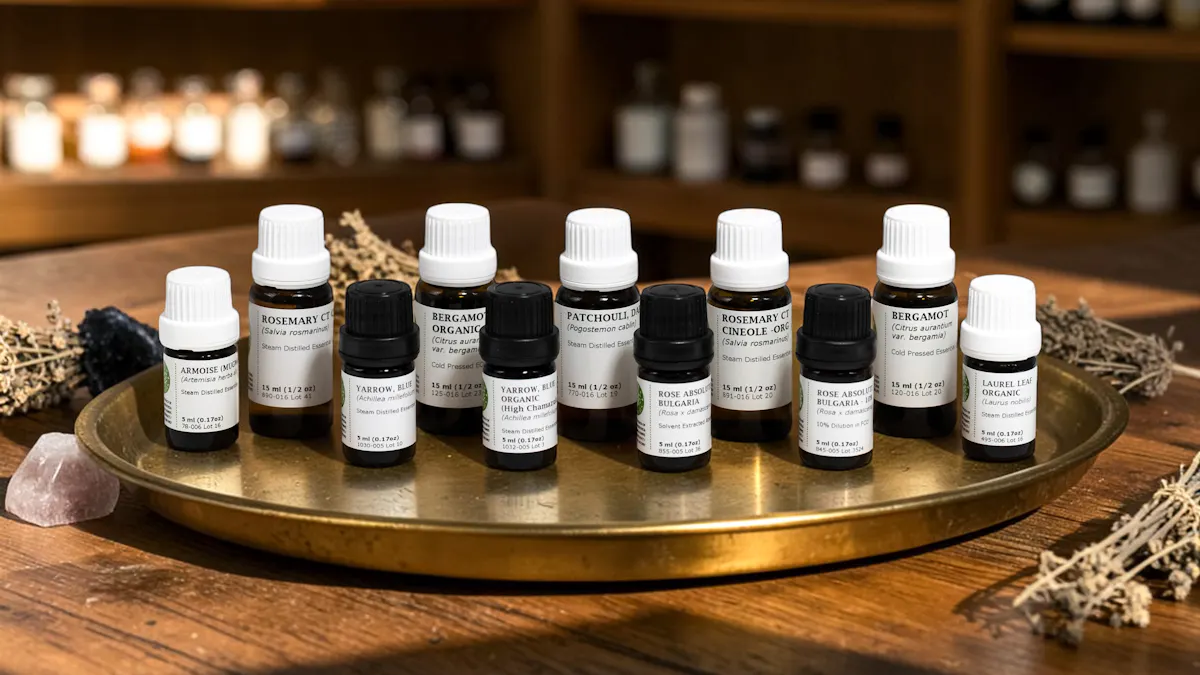
Thankfully, there are a number of of essential oils that help mask our aroma from these pesky bugs and discourage their bites. With so many different types of insects out there, it’s best to use a combination of oils to help cover all the bases. In this article, we will highlight which essential oils are considered the most effective insect deterrents and offer guidance on formulating your own outdoor bug spray.
Top 14 Essential Oils to Deter Insects
The following essential oils are tried and true favorites for keeping insects at bay. You can blend several of them depending on your intended application, whether you're creating a body spray, lotion, outdoor candle, or diffuser blend:
Each oil brings particular constituents to the blend, such as citronellal, geraniol, linalool, and menthol, that contribute to its insect-deterring effects.
Ready to make your own formulation? Here’s a recipe for a lemony, herbaceous outdoor bug spray made with pure and natural ingredients.
DIY Outdoor Bug Spray
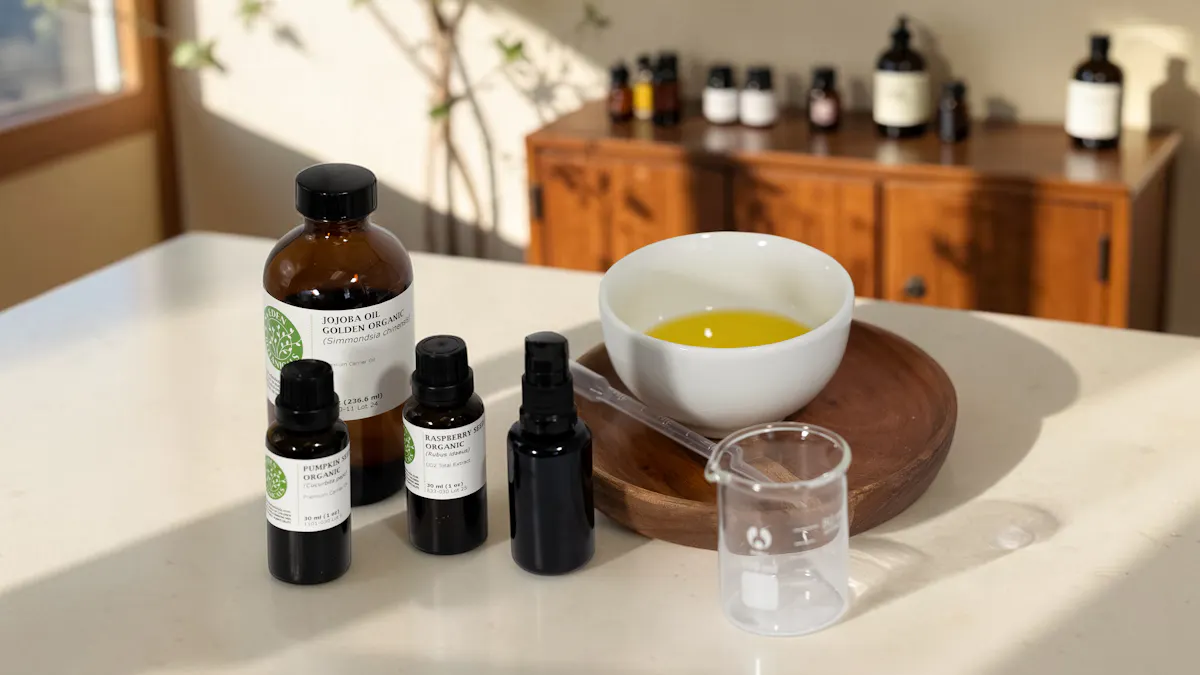
Materials:
1 Amber Glass Bottle – Spray Top 2 oz
30 ml Vodka or Witch Hazel Extract (available at most pharmacies)
30 ml Lavender Hydrosol - Organic or Distilled Water
14 drops Eucalyptus, Lemon - Organic essential oil
8 drops Palmarosa - Organic essential oil
8 drops Cedarwood, Virginia essential oil
6 drops Lavender, Bulgaria - Organic essential oil
6 drops Basil, Sweet ct Linalol - Organic
4 drops Geranium, Rose essential oil
Directions:
Set the 2 oz bottle on a paper towel to absorb any spills. Add 30 ml (2 Tablespoons) Vodka or Witch Hazel Extract to the bottle. Then, use the fine stem pipettes to add each essential oil to the bottle. Swirl the bottle gently to combine. Lastly, fill the remainder of the bottle with either Lavender Hydrosol or Distilled Water. Twist on the cap and shake well to combine thoroughly.
Note: This recipe includes an approximate 3% dilution of essential oils. If you have sensitive skin or prefer a lighter aroma, you can reduce the essential oils by half. For children, reduce essential oils by half.
To Use:
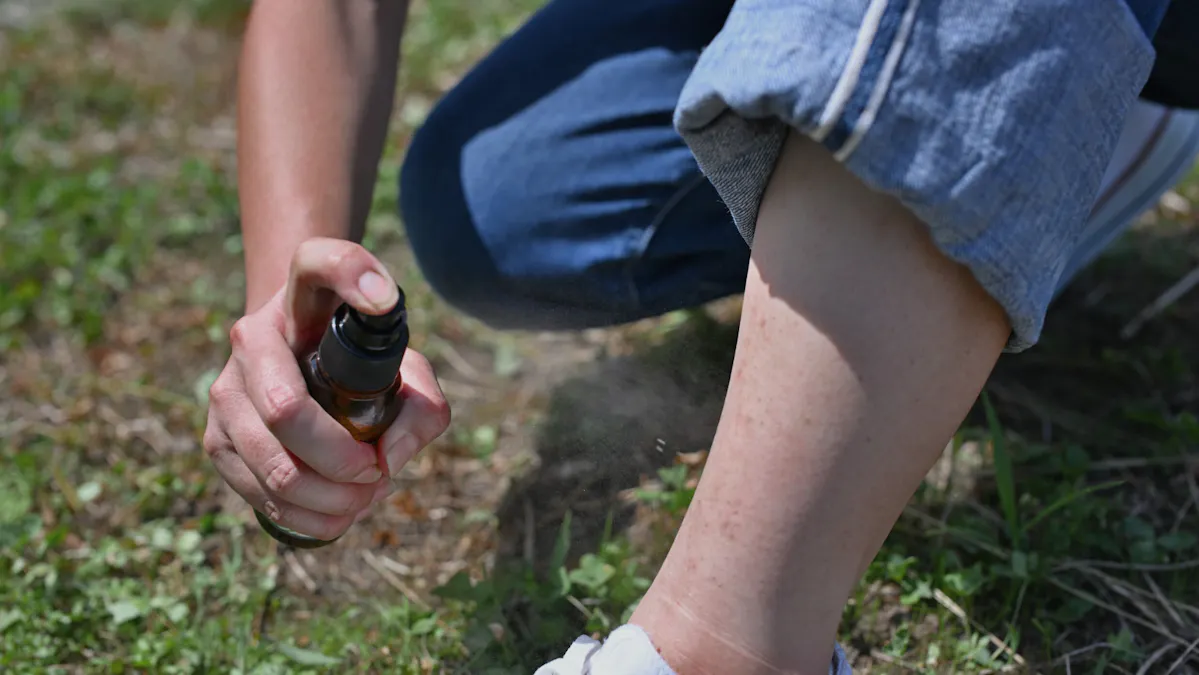
Remember to shake well before every spray. Spritz over exposed skin and clothing, being careful to avoid the eyes and mouth. Reapply as needed, or after every 2-4 hours. Store in a cool, dark place and use within 3 months.
Advanced Tip for Formulators: Try adding our natural, biodegradable Solubilizer to help uniformly disperse the essential oils. See the product page for full instructions.
DIY Insect Deterrent Diffuser Blend
For those evenings when you want to bring a bit of summer inside, try combining 3-4 bug deterrent essential oils in your diffuser. Here’s a smooth, spicy blend that pairs elegance and efficacy.
Evening Buzz Diffuser Blend
2 drops Lavender, Bulgaria - Organic
Final Thoughts for Formulators
When creating bug deterrent products, consider both function and fragrance. Combining multiple essential oils helps broaden efficacy while also allowing you to craft a more refined aromatic profile. Feel free to add in other woods, citrus, mints and spices such as Sandalwood, Blue Cypress, Orange, Yuzu, and Spearmint to elevate your composition.
Notes of Caution: Before using any essential oil, please see all Safety Considerations on the product page. If you have any medical conditions or are on medication, please consult with your physician before use. A patch test should be performed before use for those with sensitive skin.