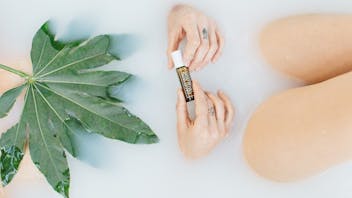
Solubility & Blending Suggestions

  • Dilute before use and add drop by drop to your blends until the desired effect is achieved.
  • Soluble in both fixed (carrier) oils and 190 proof alcohol; not soluble in water.
  • “Neroli oil is one of the classic materials in Eaux de Cologne of the ‘Maria Farina’ type, ‘4711’, etc. It blends excellently with all the citrus oils, with numerous floral absolutes… Next to Rose, Jasmine, and Ylang Ylang, it is probably one of the most frequently used florals in perfume compounding.”[6]
  • Suggested Resources

    Neroli, Egypt EO

    Citrus aurantium var. amara L. (synonym of Citrus x aurantium L.)

    (8)

    SKU 630-G sizes:

    1 ml (1/30 oz)
    $13.75
    2 ml (1/15 oz)
    $23.00
    5 ml (1/6 oz)
    $47.50
    15 ml (1/2 oz)
    $117.50
    30 ml (1 oz)
    $212.50
    59.14 ml (2 oz)
    $386.25
    118.29 ml (4 oz)
    $709.75

    Contact us for bulk inquiries.

    Botanical NameCitrus aurantium var. amara L. (synonym of Citrus x aurantium L.)
    Suggested UseAromatherapy, Perfumery, Cosmetics, Soap Making, Candle Crafting
    INCI NameCitrus Aurantium Amara Flower Oil/Citrus Aurantium Amara (Bitter Orange) Flower Oil
    CAS Number8016-38-4
    OriginEgypt
    Extraction MethodSteam Distilled
    CultivationConventional
    Plant Partflower.
    Notetop.
    Aroma Familyfloral.
    Aroma ProfileVery powerful, yet light and uplifting floral with an unusual fresh, sweet, terpene-like, somewhat bitter green top note.
    AppearanceVery pale yellow, transparent, mobile liquid.
    Shipping Restriction3 – Flammable

    Safety Considerations

    • No known concerns.[7] 
    • Dilute before using.
    • A patch test should be performed before use for those with sensitive skin.
    • Store in a cool, dark place away from heat and light.

    Neroli, Egypt EO

    Citrus aurantium var. amara L. (synonym of Citrus x aurantium L.)

    (8)

    Size

    Selected size SKU:630-016 - Neroli, Egypt 15 ml (1/2 oz) (w/ orifice reducer)

    1 ml (1/30 oz)
    $13.75
    2 ml (1/15 oz)
    $23.00
    5 ml (1/6 oz)
    $47.50
    with orifice reducer
    15 ml (1/2 oz)
    $117.50
    with orifice reducer
    30 ml (1 oz)
    $212.50
    59.14 ml (2 oz)
    $386.25
    118.29 ml (4 oz)
    $709.75
    $13.75
    Details
    Solubility & Blending Suggestions
    Suggested Resources
    Safety Considerations
    Certificates of Analysis (COA)
    Documentation

    Product Overview

    Our extraordinary Neroli essential oil from Egypt has a very powerful, yet light and uplifting floral aroma with an unusual fresh, sweet, terpene-like, subtle bitter green top note; it is our most complex Neroli and displays exquisite fresh white floral notes. Arctander points out that Neroli essential oil is probably one of the most frequently used florals in perfume compounding[1], cost not withstanding due to the fact that it takes 2.2 pounds (1 kilo) of blossoms to yield only 1 gram (about 1 milliliter) of essential oil.[2] It is found in the top notes of some of the most famous classic perfumes.[3] Precious oils like Neroli are the most likely to be adulterated, therefore we now verify the chemical analysis through a third-party testing lab.

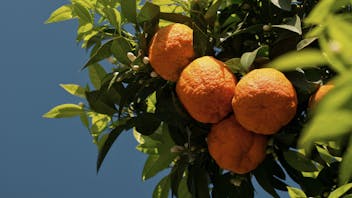
    The blossoms come from the Bitter Orange tree (Citrus aurantium var. amara), a resilient evergreen that belongs to the Rutaceae family; these are the same flowers that are used to extract Orange Blossom Absolute. The Bitter Orange is also the source of expressed oil from the peel, and Petitgrain essential oil steam distilled from the leaves. Two constituents present in Neroli in minute amounts are worth noting: N-methyl anthranilate - with its sweet and fruity nuances, and indole - a compound found in animal feces that perfumers use in imperceptible amounts for its erotic nature.[4] Flower oils truly represent the highest expression of beauty the botanical world has to offer.

    Orange Blossom (Neroli) was first introduced as a fashionable scent near the end of the 17th century by Marie-Anne de La Trémoille, Duchess of Bracciano, later known as the Princess of Nerola. She loved the scent of orange blossoms and used it to perfume her clothes, gloves and bath; since then, this beautiful essence has been known as Neroli.[5] Today Neroli essential oil is widely used in perfumery and skincare, particularly in formulations for dry and mature skin. The comforting aroma is lovely in nighttime sprays, relaxing baths, massage blends and diffusers.

    1 Arctander, Steffen. Perfume and Flavor Materials of Natural Origin, 1960, p. 436.

    2 Rhind, Jennifer Peace. Fragrance and Wellbeing - Plant Aromatics and Their Influence on the Psyche, 2014, p. 297.

    3 Calkin, Robert and J. Stephan Jellinek. Perfumery - Practice and Principles, 1994, pp. 116, 124, 134.

    4 Ibid, p. 80.

    5 Mojay, Gabriel. Aromatherapy for Healing the Spirit, 1996, p. 100.

    6 Arctander, Steffen. Perfume and Flavor Materials of Natural Origin, 1960, p. 436.

    7 Tisserand, Robert and Rodney Young. Essential Oil Safety, 2nd ed., 2014, p. 363.
    Product Overview

    Our extraordinary Neroli essential oil from Egypt has a very powerful, yet light and uplifting floral aroma with an unusual fresh, sweet, terpene-like, subtle bitter green top note; it is our most complex Neroli and displays exquisite fresh white floral notes. Arctander points out that Neroli essential oil is probably one of the most frequently used florals in perfume compounding[1], cost not withstanding due to the fact that it takes 2.2 pounds (1 kilo) of blossoms to yield only 1 gram (about 1 milliliter) of essential oil.[2] It is found in the top notes of some of the most famous classic perfumes.[3] Precious oils like Neroli are the most likely to be adulterated, therefore we now verify the chemical analysis through a third-party testing lab.

    The blossoms come from the Bitter Orange tree (Citrus aurantium var. amara), a resilient evergreen that belongs to the Rutaceae family; these are the same flowers that are used to extract Orange Blossom Absolute. The Bitter Orange is also the source of expressed oil from the peel, and Petitgrain essential oil steam distilled from the leaves. Two constituents present in Neroli in minute amounts are worth noting: N-methyl anthranilate - with its sweet and fruity nuances, and indole - a compound found in animal feces that perfumers use in imperceptible amounts for its erotic nature.[4] Flower oils truly represent the highest expression of beauty the botanical world has to offer.

    Orange Blossom (Neroli) was first introduced as a fashionable scent near the end of the 17th century by Marie-Anne de La Trémoille, Duchess of Bracciano, later known as the Princess of Nerola. She loved the scent of orange blossoms and used it to perfume her clothes, gloves and bath; since then, this beautiful essence has been known as Neroli.[5] Today Neroli essential oil is widely used in perfumery and skincare, particularly in formulations for dry and mature skin. The comforting aroma is lovely in nighttime sprays, relaxing baths, massage blends and diffusers.

    1 Arctander, Steffen. Perfume and Flavor Materials of Natural Origin, 1960, p. 436.

    2 Rhind, Jennifer Peace. Fragrance and Wellbeing - Plant Aromatics and Their Influence on the Psyche, 2014, p. 297.

    3 Calkin, Robert and J. Stephan Jellinek. Perfumery - Practice and Principles, 1994, pp. 116, 124, 134.

    4 Ibid, p. 80.

    5 Mojay, Gabriel. Aromatherapy for Healing the Spirit, 1996, p. 100.

    6 Arctander, Steffen. Perfume and Flavor Materials of Natural Origin, 1960, p. 436.

    7 Tisserand, Robert and Rodney Young. Essential Oil Safety, 2nd ed., 2014, p. 363.
    logo

    2025-09-05

    Bountiful, Aromatic Bitter Orange – A Formulator’s Guide

    The fragrant Bitter Orange tree, Citrus aurantium var. amara, has inspired both poetry and perfume for centuries. From ancient Chinese texts and Middle Eastern gardens to medieval verse and royal devotion, this extraordinary evergreen...

    logo

    2025-01-31

    Flower Aromas – Oils for Your Love Language

    American poet Park Benjamin Sr. once wrote that “Flowers are love’s truest language.” The quintessential gift, ceremonial offering, and symbol in art and décor, the natural beauty and delicate nature of flowers have a way of expressing deep emotion without words.

    logo

    2016-02-09

    Interview with Kathleen Currie of Smoke Perfume

    I grew up in Belize City, Belize, and moved to the states when I was 12. Growing up, we spent a ton of time outside and this early connection to nature