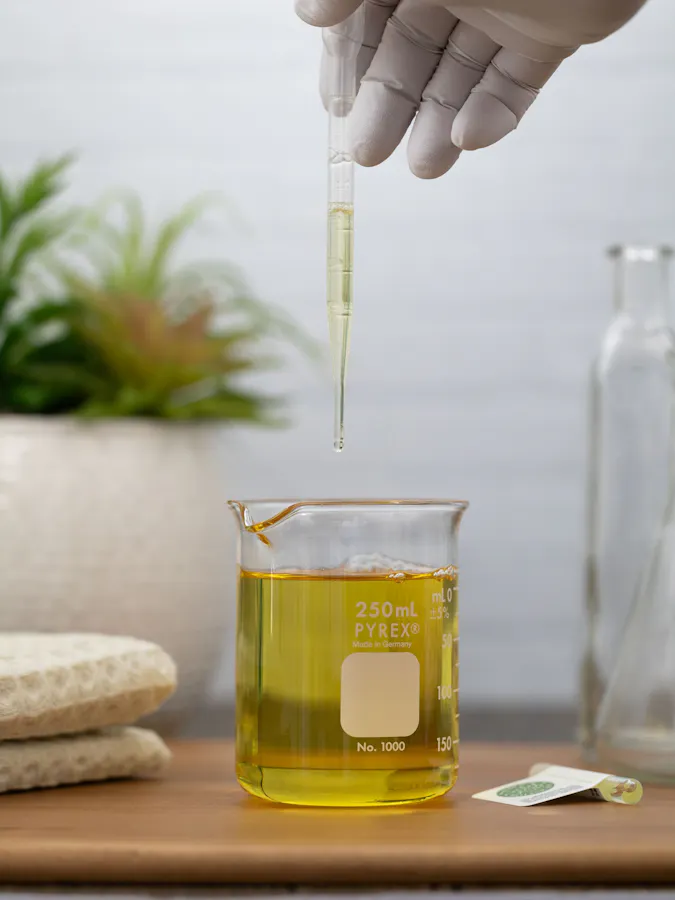


Solubility & Blending Suggestions

  • Dilute well and add drop by drop to your blends until the desired effect is achieved.
  • Soluble in alcohol and fixed (carrier) oils. This oil tends to become resinous on ageing.*
  • "Elemi oil is very useful as a freshener and top note material in various perfume compositions, e.g., fougères, chypres, colognes, and even in the heavy-sweet floral bases. It is one of the most inexpensive sources of fixative resinoids."**
  • *Tisserand, Robert and Rodney Young. Essential Oil Safety, 2nd ed., 2014, p. 272.

    **Arctander, Steffen. Perfume and Flavor Materials of Natural Origin, 1960, pp. 221-2.

    Suggested Resources

    Elemi EO

    Canarium luzonicum (Blume) A.Gray 

    (7)

    SKU 285-G sizes:

    Sample 1 ml (1/30 oz)
    $3.00
    15 ml (1/2 oz)
    $10.75
    30 ml (1 oz)
    $17.25
    59.14 ml (2 oz)
    $29.00
    118.29 ml (4 oz)
    $51.00
    236.58 ml (8 oz)
    $90.50
    473.17 ml (16 oz)
    $162.50
    1 kg (2 1/5 lb)
    $356.00

    Contact us for bulk inquiries.

    Botanical NameCanarium luzonicum (Blume) A.Gray 
    Suggested UseAromatherapy, Perfumery, Cosmetics, Soapmaking, Candle Crafting
    INCI NameCanarium Luzonicum (Elemi) Oil
    CAS Number8023-89-0
    OriginPhilippines
    Extraction MethodSteam Distilled
    CultivationWild Harvested
    Plant Partresin.
    Notemiddle, fixatives.
    Aroma Familycitrus, resinous.
    Aroma ProfileBright, fresh, green/lemony, peppery/spicy aroma at first reminiscent of Frankincense with an exceptional drydown of fine woody-green, sweet balsamic, somewhat peppery undertones.
    AppearanceColorless to very pale yellow, transparent, mobile liquid. This oil tends to become resinous on ageing.[4]
    Shipping Restriction3 – Flammable

    Safety Considerations

    • May cause skin sensitization if oil is oxidized.*
    • Dilute before using. A patch test should be performed before use for those with sensitive skin.
    • Cold storage of this oil in a dark, tightly-capped bottle is recommended to avoid oxidation.**
    • *Tisserand, Robert and Rodney Young. Essential Oil Safety, 2nd ed., 2014, p. 272.
    • **Ibid.

    Elemi EO

    Canarium luzonicum (Blume) A.Gray 

    (7)

    Our delightful Elemi essential oil has a bright, fresh, green/lemony, peppery/spicy aroma at first reminiscent of Frankincense, with an exceptional drydown

    Size

    Selected size SKU:285-016 - Elemi 15 ml (1/2 oz) (w/ orifice reducer)

    Sample 1 ml (1/30 oz)
    $3.00
    15 ml (1/2 oz)
    $10.75
    with orifice reducer
    30 ml (1 oz)
    $17.25
    59.14 ml (2 oz)
    $29.00
    118.29 ml (4 oz)
    $51.00
    236.58 ml (8 oz)
    $90.50
    473.17 ml (16 oz)
    $162.50
    1 kg (2 1/5 lb)
    $356.00
    $3.00
    Details
    Solubility & Blending Suggestions
    Suggested Resources
    Safety Considerations
    Certificates of Analysis (COA)
    Documentation

    Product Overview

    Our delightful Elemi essential oil has a bright, fresh, green/lemony, peppery/spicy aroma at first reminiscent of Frankincense, with an exceptional drydown of fine woody-green, sweet balsamic, somewhat peppery undertones. Elemi is a member of the Burseraceae family, which includes Frankincense, Myrrh, and Opopanax – all gum-resin producers.

    The Elemi tree grows wild in tropical desert climates and, to a lesser degree, is cultivated in the Philippine Islands[1] where it is known as sahing or pili; it is also found in Malaysia, Papua New Guinea and other Pacific islands.

    An incredibly diverse genus, there are over 75 distinct species of Canarium alone leading to much confusion between other similar botanical resins, gums and oleoresins. Most likely the “African elemi” mentioned prior to the 17th century, as well as in earlier records of Egyptian spirituality and culture, was a Somalian Frankincense, probably Boswellia frereana. Indeed, with similar uses and properties, Elemi has been called “Poor Man’s Frankincense.” The aroma is known for its transcendent qualities and is popular in incense and meditation blends.

    In natural perfumery, Elemi is a fresh top to middle note and fixative, mainly used in masculine fragrances. It is a revitalizing and softening addition to blends for mature skin and is also suitable in chest rubs and energizing massage blends. Limonene, a major constituent of citrus peel oils, is found in Elemi oleoresin from as low as 23% to as high as 80%. Due to the temperature instability of limonene, cold storage of this oil in a dark, tightly-capped bottle is recommended to avoid oxidation[2] as oxidized oils may increase skin sensitization.[3]

    1 Arctander, Steffen. Perfume and Flavor Materials of Natural Origin, 1960, p. 221.

    2 Tisserand, Robert and Rodney Young. Essential Oil Safety, 2nd ed., 2014, p. 272.

    3 Ibid.
    Product Overview

    Our delightful Elemi essential oil has a bright, fresh, green/lemony, peppery/spicy aroma at first reminiscent of Frankincense, with an exceptional drydown of fine woody-green, sweet balsamic, somewhat peppery undertones. Elemi is a member of the Burseraceae family, which includes Frankincense, Myrrh, and Opopanax – all gum-resin producers.

    The Elemi tree grows wild in tropical desert climates and, to a lesser degree, is cultivated in the Philippine Islands[1] where it is known as sahing or pili; it is also found in Malaysia, Papua New Guinea and other Pacific islands.

    An incredibly diverse genus, there are over 75 distinct species of Canarium alone leading to much confusion between other similar botanical resins, gums and oleoresins. Most likely the “African elemi” mentioned prior to the 17th century, as well as in earlier records of Egyptian spirituality and culture, was a Somalian Frankincense, probably Boswellia frereana. Indeed, with similar uses and properties, Elemi has been called “Poor Man’s Frankincense.” The aroma is known for its transcendent qualities and is popular in incense and meditation blends.

    In natural perfumery, Elemi is a fresh top to middle note and fixative, mainly used in masculine fragrances. It is a revitalizing and softening addition to blends for mature skin and is also suitable in chest rubs and energizing massage blends. Limonene, a major constituent of citrus peel oils, is found in Elemi oleoresin from as low as 23% to as high as 80%. Due to the temperature instability of limonene, cold storage of this oil in a dark, tightly-capped bottle is recommended to avoid oxidation[2] as oxidized oils may increase skin sensitization.[3]

    1 Arctander, Steffen. Perfume and Flavor Materials of Natural Origin, 1960, p. 221.

    2 Tisserand, Robert and Rodney Young. Essential Oil Safety, 2nd ed., 2014, p. 272.

    3 Ibid.

    Blends Well With

    logo

    2026-03-20

    DIY Spring Cleaning with Essential Oils

    Riding the wave of spring renewal, this is the time many of us feel inspired to refresh and reset our living spaces. Essential oils offer an effective and enjoyable way to approach our spring cleaning, providing a natural alternative to products made with harsh chemicals or synthetic fragrances.

    logo

    2026-03-13

    Essential Oils for Good Luck and Prosperity

    The month of March has long been associated with good fortune across many cultures. Along with the arrival of spring comes a natural flow toward new beginnings, awakenings, rejuvenation, and hope.

    logo

    2026-03-06

    Morning and Evening Essential Oils: Aromatics to Support Your Daily Rhythm

    If you happen to reside in a country that observes Daylight Savings Time, then you know just how dysregulating the time change can be. The ‘spring forward’ is often considered the most difficult, as the rapid shift can disrupt our circadian rhythm and leave us in a foggy...