image

3 min read

2018-02-06

Dilution Solutions

Written By: Eden Botanicals

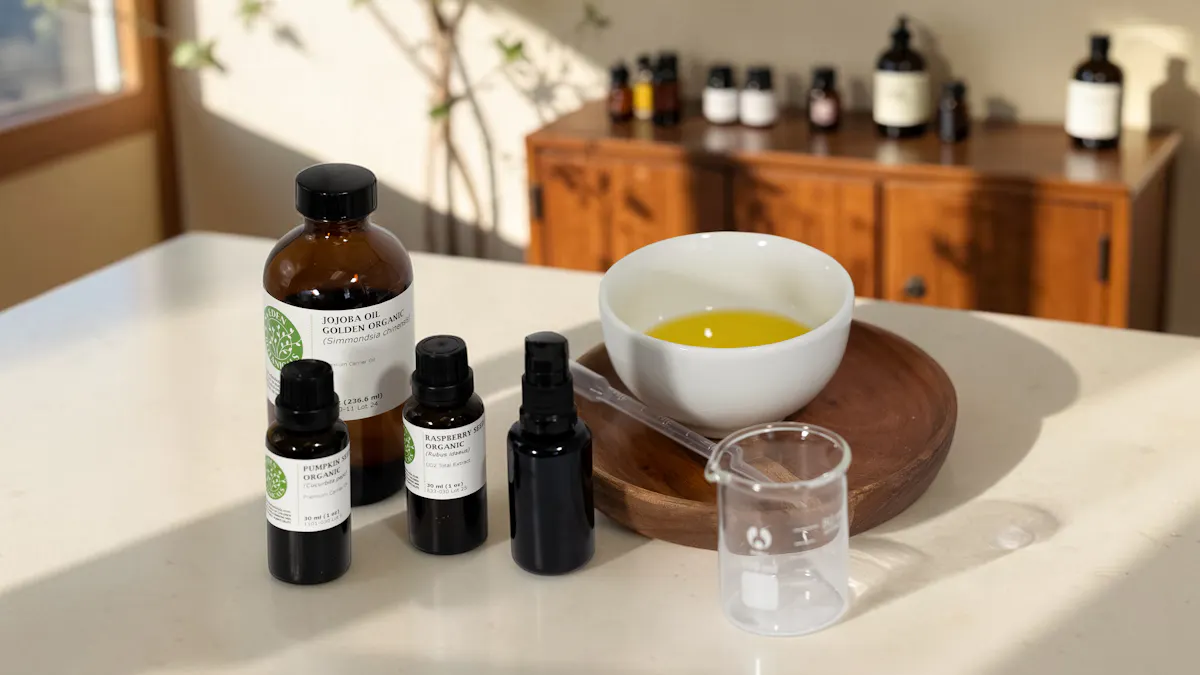
Essential oils are potent and highly concentrated extracts derived from plants. As a frame of reference, a moderately high-producing plant like Lavender can yield up to 1 kg of essential oil from about 200 kg of flowers, while it takes roughly 60 roses to yield just ONE drop of pure essential oil. Thus, whether they are used for aromatherapy or natural perfumery, these extracts must be used with a great deal of respect and care. ALL Essential Oils, Absolutes, CO2 Extracts, Enfleurage Extracts (collectively referred to as aromatics), should be properly diluted before application to the skin. Using undiluted (neat) essential oils repeatedly on the skin may lead to irritation and sensitization. Not only are essential oils safer in dilution, it has long been observed that aromatics in general and essential oils in particular are more highly active in low concentrations. There are some exceptions to this rule, mainly the application of neat essential oils to a very small, targeted area of the skin for specific skincare purposes. There are only a few oils that are appropriate for this type of undiluted application – for example, Lavender, Tea Tree and Helichrysum. Lastly, always remember to perform a Patch Test (see our FAQ section for instructions).

The charts provided below will serve as a reference to the proper dilution ratio for the application and the particular oils involved. These recommendations do not apply to children, the elderly and pregnant women. We recommend consulting with a professional aromatherapist or naturopath before applying essential oils to these individuals or those with unique sensitivities.

PLEASE NOTE: Not all Essential Oils, Absolutes, CO2 Extracts, and Enfleurage Extracts are soluble in Carrier Oils or alcohol (especially low proof alcohol), and none are soluble in water (without an emulsifier).

(Helpful Tip: 1 fluid oz. = approx. 30 ml, 1 ml = approx. 30 drops)

Dilution Ratio: # of drops of essential oil in 1 oz of carrier

  • 1%          9 drops
  • 2%          18 drops
  • 3%          26 drops
  • 4%          35 drops
  • 5%          43 drops
  • Percentages/amounts for aromatherapy purposes:

  • Baths                   7 - 15 drops in 1 Tbs carrier oil per bath
  • Chest Rub            5 - 7% in the carrier oil(s) of your choice
  • Compress            7 - 10 drops/bowl of water
  • Facial Steam       2 - 3 drops/bowl of hot water
  • Massage Oil        2 - 5% in the carrier oil(s) of your choice
  • Inhalation            5 - 7 drops/bowl of hot water
  • Room Spray        1 - 2% in a spray base
  • Percentages/amounts for personal care/aromatherapy products:

  • Body/Facial Spray          0.5 - 1%
  • Candles                           1 tsp. per lb. of wax
  • Clothing/Linens              2% in a spray base
  • Cream/Lotion                  1 - 4%
  • Deodorant                       2 - 5%
  • Facial Serum                   0.5 - 1%
  • Shampoo/Conditioner   2 - 3%
  • Stationery Spray            2%
  • Percentages/amounts for natural perfumery products:

    (For more information, please see the Natural Perfumery Basics section of our website.)

  • Eau Fraiche                                     1 - 3%
  • Eau de Cologne                             3 - 8%
  • Eau de Toilette                              5 - 10%
  • Eau de Parfum                              10 - 20%
  • Extrait or Parfum                          15 - 30%
  • Parfum Solide (Solid Perfume)   20 - 45%
  • Comments

    Be the first to leave a comment about this article.

    Suggested Reading

    logo

    Lavender, Kashmir – The Sweet, Honeyed Lavender of the Himalayas

    The Kashmir Valley in India is certainly a special place. Surrounded by the snow-capped Pir Panjal and Greater Himalayan mountain ranges, this protected, picturesque valley sits at an elevation of 6,000 feet, with fertile conditions and a moderate climate well suited for growing Lavender.

    logo

    Lowdown on Lavender – Which One Should I Buy?

    There’s nothing quite like standing in a Lavender field at the height of bloom. The summer sun sits high in the sky, bees drift lazily between blossoms, endless rows of violet stretch across gently sloping hills, and the air is saturated with the unmistakable scent of sweet floral herbaceousness.

    logo

    Beautiful Bergamot – A Formulator’s Bridge Between Citrus and Floral

    There’s a reason why formulators rave about Bergamot essential oil. With its bright citrus top note and delicate floral character, it’s a natural union of both worlds in a single bottle.